

Lifespan: Asics Dynablast 3
~600 km~373 mi
Add the km they've run to start the count.Add the miles they've run to start the count.
See full data on the Dynablast 3
Buy, track or sell
No Dynablast 3 listed right now.
Be first in line — we'll email you the moment a pair in your size lists.
About the shoe
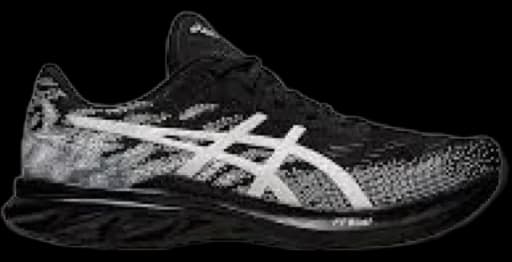
The Asics Dynablast 3 offers a lively, cushioned ride with a breathable, adaptive upper, making it a strong choice for daily training and recovery runs. Its lightweight feel and responsive midsole suit runners seeking comfort without excess bulk, though those needing extra grip or a snug fit may want to try before buying. Sustainability-minded runners will also appreciate the shoe’s use of recycled materials.
The AHARPLUS outsole is specifically praised for its abrasion resistance and longevity, with minimal wear reported after typical testing periods. No significant durability issues are raised in expert or user reviews, though it is not intended for aggressive off-road use.
Full specs, fit notes, and reviews on the Asics Dynablast 3 wiki page.
Specs
250 g · 8 mm drop
Norma rating
8.3/10
The Asics Dynablast 3 is widely regarded as a versatile, budget-friendly neutral trainer best suited for daily training and recovery runs. Experts and users consistently highlight its balanced cushioning—soft but not mushy—and a responsive, comfortable ride that works well for everyday mileage and easy efforts. The shoe's moderate stack height and FlyteFoam Blast midsole provide enough protection for mid-length long runs, but some users find it less ideal for very long distances (15+ miles) due to its less plush cushioning compared to premium long-distance models. For tempo runs, the Dynablast 3 offers decent responsiveness but lacks the snappy, propulsive feel of dedicated tempo or race shoes, making it serviceable but not optimal. Racing suitability is limited: while lightweight and comfortable, it lacks the aggressive geometry and energy return of modern race-day shoes, so most experts and users would not recommend it for competitive events. The outsole is durable for road use but not aggressive enough for trails, and the upper is not designed for off-road debris or technical terrain. Its soft, stable ride and secure heel make it excellent for recovery runs, with many users praising its comfort for easy miles and walking.
- Balanced cushioning delivers a soft yet responsive ride, making daily miles feel comfortable without sacrificing energy return.
- Breathable engineered knit upper keeps feet cool and adapts well to different foot shapes, enhancing comfort on longer runs.
- Lightweight construction and moderate stack height provide a nimble feel, ideal for runners who dislike overly bulky shoes.
- Eco-friendly materials in the upper and sockliner reduce environmental impact without compromising performance.
- Traction is limited on wet or loose surfaces, making the shoe best suited for dry roads and light gravel.
- Fit may feel roomy or long for runners with narrow feet, and sizing inconsistencies can make it tricky to dial in the perfect fit.
Best for and fit
Daily training
Ideal for Best for neutral runners from beginner to intermediate levels who prioritize comfort, moderate cushioning, and a lightweight feel for daily training, easy runs, or recovery days. Ideal for those who prefer a breathable upper and value eco-friendly design, but do not require aggressive traction or stability features.
Best suited for runners with average to narrow feet seeking a lightweight, responsive daily trainer. Not recommended for those needing wide sizing or maximal cushioning. The knit upper provides a sock-like fit but can feel restrictive for some.
Sizing: Runs true to size for most, but the fit is on the narrow side and only available in standard width. Not recommended for wide feet. Compared to other Asics models, it is narrower than Novablast and Nimbus.
Against its category
600 km average373 mi average
Daily Trainer shoes in NORMA's database last between 320199 and 800 km497 mi across 653 models. At 600 km373 mi, the Asics Dynablast 3 sits in the upper half of that range.
Other versions and similar shoes
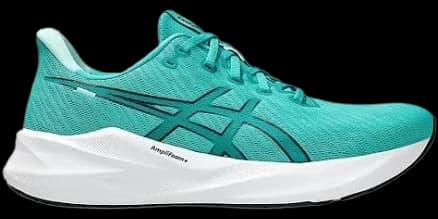
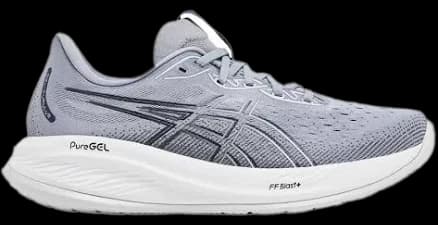
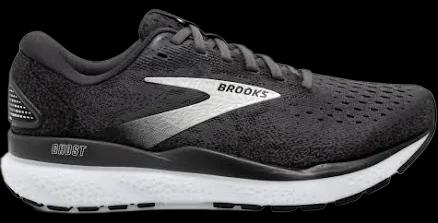
- Dynablast 3~600 km · 373 mi
- Dynablast 4~640 km · 398 mi
- Dynablast 5~640 km · 398 mi
Questions and guides
How many kilometres does the Asics Dynablast 3 last?
The Asics Dynablast 3 lasts about 600 km (373 miles), based on hand-researched wear data for this model. Your own mileage shifts with body weight, running surface, and how you use the shoe.
How many miles does the Asics Dynablast 3 last?
About 373 miles (600 km), based on hand-researched wear data for this model.
When should I replace the Asics Dynablast 3?
Start checking for wear around 360 km (60% of its lifespan). By 480 km the foam and outsole are usually noticeably degraded, and most runners retire the shoe between there and 600 km.
How does the Asics Dynablast 3 compare to other daily trainer shoes?
Daily Trainer shoes in NORMA's database range from 320 to 800 km across 653 models. At 600 km, the Asics Dynablast 3 sits in the upper half of that range.
Is a used Asics Dynablast 3 worth buying?
Often, yes. A pair with under 60% wear (roughly 360 km) still has real training life left. NORMA lists second-rotation running shoes, and sellers can add the miles they logged, so you can see how much life is left.