

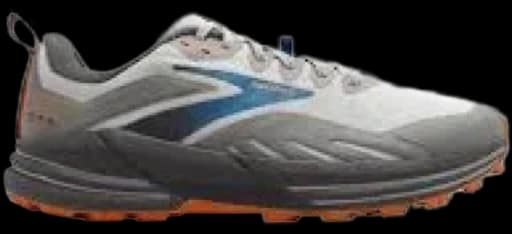
Lifespan: Brooks Cascadia 16
~640 km~398 mi
Add the km they've run to start the count.Add the miles they've run to start the count.
See full data on the Cascadia 16
Buy, track or sell
No Cascadia 16 listed right now.
Be first in line — we'll email you the moment a pair in your size lists.
About the shoe
The Brooks Cascadia 16 is a rugged, all-terrain trail shoe built for runners who prioritize stability, protection, and long-lasting comfort. Its grippy outsole and robust rock plate inspire confidence on technical trails, while the cushioned midsole and roomy fit keep feet comfortable over moderate distances. Ideal for those tackling unpredictable terrain or seeking a reliable partner for daily trail miles.
Multiple expert and user reviews highlight the Cascadia 16's excellent build quality, with durable synthetic overlays, a resilient outsole, and long-lasting midsole cushioning. Reports of 150-200 miles with minimal wear are common, and the shoe is considered to exceed the durability of previous versions.
Full specs, fit notes, and reviews on the Brooks Cascadia 16 wiki page.
Specs
315 g · 8 mm drop
Norma rating
8.5/10
The Brooks Cascadia 16 is widely regarded as a highly capable trail running shoe, excelling in off-road conditions due to its aggressive TrailTack rubber outsole, multidirectional lugs, and robust rock plate, which provide excellent traction, protection, and stability on technical terrain. Its cushioning (DNA Loft v2) and durable upper make it suitable for daily trail training and moderate long runs, though some experts caution against using it for ultra-long distances (15+ miles) due to its firmer, less energetic ride and heavier build. The shoe is less suited for tempo runs and racing because of its weight and lack of responsiveness compared to lighter, more race-oriented models. However, its comfort and protection make it a good option for recovery runs, especially on trails, though it may feel overbuilt for easy road miles. User and expert consensus highlight its versatility for hiking and all-purpose trail use, but not for speedwork or competitive racing.
- Exceptional traction on varied terrain, including wet rocks and loose gravel, thanks to aggressive TrailTack rubber lugs
- Highly durable construction with reinforced upper and resilient outsole, maintaining performance after extensive mileage
- Stable and protective ride with a robust rock plate and ample midsole cushioning, reducing foot fatigue and guarding against sharp trail hazards
- Roomy toe box and breathable mesh upper provide comfort for longer runs and accommodate foot swelling
- Heavier and bulkier than some competitors, which may feel cumbersome for runners seeking a nimble, minimalist experience
- Mud can accumulate in the deep lugs, occasionally requiring mid-run cleaning, especially in sticky conditions
- Reduced ground feel due to the substantial midsole and rock plate, which may not appeal to runners who prefer a more connected trail sensation
Best for and fit
Trail
Ideal for Best suited for intermediate to experienced trail runners or hikers who value stability, protection, and durability over speed. Ideal for those running moderate distances (5–15 miles) on technical, rocky, or mixed terrain, and for runners who prioritize comfort and foot security over a minimalist, ground-connected feel.
The Cascadia 16 is praised for its balance of protection and comfort, with a softer, more responsive midsole than previous versions. The shoe is slightly heavier and less breathable than some competitors, but excels in rugged terrain and offers a natural, stable ride. The fit improvements, especially in the toe box, make it suitable for longer distances and for runners with wider feet.
Sizing: Generally true to size; improved fit over previous versions with a wider toe box for enhanced toe splay and better accommodation of wider feet. Most reviewers and users report no need to size up or down compared to standard running shoe sizing.
Against its category
560 km average348 mi average
Trail shoes in NORMA's database last between 180112 and 850 km528 mi across 444 models. At 640 km398 mi, the Brooks Cascadia 16 sits in the upper half of that range.
Other versions and similar shoes
- Cascadia 15~600 km · 373 mi
- Cascadia 16~640 km · 398 mi
- Cascadia 17~640 km · 398 mi
- Cascadia 18~520 km · 323 mi
- Cascadia 19~520 km · 323 mi
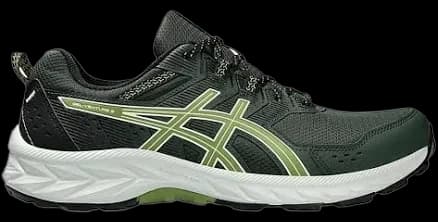
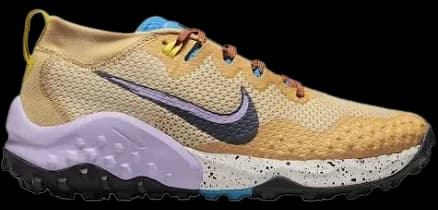
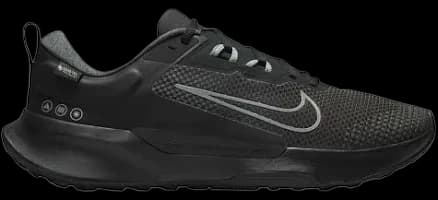
Questions and guides
How many kilometres does the Brooks Cascadia 16 last?
The Brooks Cascadia 16 lasts about 640 km (398 miles), based on hand-researched wear data for this model. Your own mileage shifts with body weight, running surface, and how you use the shoe.
How many miles does the Brooks Cascadia 16 last?
About 398 miles (640 km), based on hand-researched wear data for this model.
When should I replace the Brooks Cascadia 16?
Start checking for wear around 384 km (60% of its lifespan). By 512 km the foam and outsole are usually noticeably degraded, and most runners retire the shoe between there and 640 km.
How does the Brooks Cascadia 16 compare to other trail shoes?
Trail shoes in NORMA's database range from 180 to 850 km across 444 models. At 640 km, the Brooks Cascadia 16 sits in the upper half of that range.
Is a used Brooks Cascadia 16 worth buying?
Often, yes. A pair with under 60% wear (roughly 384 km) still has real training life left. NORMA lists second-rotation running shoes, and sellers can add the miles they logged, so you can see how much life is left.