
Loading shoe lifespan
Loading shoe lifespan
~400 km
Expected lifespan, based on hand-researched wear data for this model.
Got a pair? Check how much life is left.
Free, 4 quick questions with this shoe pre-selected. Wear percentage, km remaining, and what your pair is worth.
Check your TenNine →No TenNine listed right now.
Be first in line — we'll email you the moment a pair in your size lists.
Build quality is solid, with premium materials and a robust outsole. Most reviews do not report premature wear, but the unique extended heel is susceptible to scuffing and damage, especially if used on stairs or for non-running activities. The shoe is not designed for everyday use, which may limit perceived durability in mixed conditions.
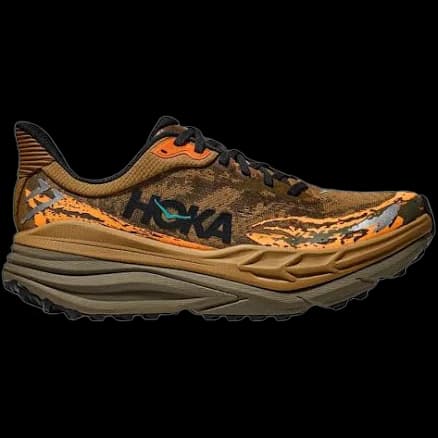
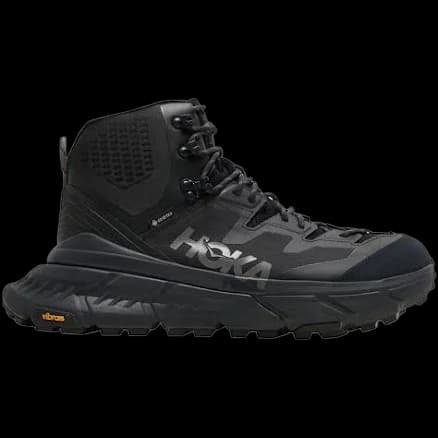
The Hoka TenNine is engineered for maximal cushioning and stability, with a unique extended heel (Hubble geometry) and ultra-wide platform. Experts and users agree it excels on long, steady efforts—especially downhill or on moderate trails—where its plush ride and ground contact reduce fatigue and impact. The shoe is heavy (12.7 oz+), making it less suitable for tempo runs or racing, where responsiveness and weight are critical. Its broad base and soft foam provide excellent stability and comfort for recovery runs and long distances, but the lack of nimbleness and ground feel limit its effectiveness on technical trails or for daily training requiring versatility. While surprisingly capable on smoother trails, the shoe's bulk and unique geometry make it awkward for fast paces, sharp turns, or highly technical terrain. User feedback and expert reviews consistently highlight its niche as a specialty tool for downhill, ultra-distance, or recovery-focused trail running, rather than as an all-purpose trainer or racer.
Ideal for Best suited for experienced trail runners or ultramarathoners who prioritize downhill comfort, stability, and impact protection over agility. Ideal for those with a midfoot or heel-strike gait tackling long, technical descents or seeking to reduce joint fatigue on extended outings.
The TenNine is notable for its massive stack height (33mm heel / 29mm forefoot, 5mm drop) and extremely wide platform, which provide exceptional shock absorption and stability but result in a unique, oversized feel. The shoe is designed for hiking and rugged terrain, not running, and the fit may feel unconventional for those used to traditional hiking boots or trail runners. The heel and forefoot are especially broad, which enhances stability but may not suit users with very narrow feet. The overall fit is secure but not restrictive, with ample room in the toebox and a stable midfoot hold. No carbon plate is present; propulsion comes from the rocker geometry and extended heel design.
Sizing: Generally true to size; most reviewers and user feedback indicate standard Hoka sizing applies. No widespread recommendations to size up or down, but the shoe's broad platform may feel roomy for narrow-footed users.
Long Distance shoes in NORMA's database last between 300 and 900 km across 71 models. At 400 km, the Hoka Tennine sits in the lower half of that range.
The Hoka TenNine stands out for its radical heel geometry and plush cushioning, delivering an ultra-smooth, stable ride on long descents and moderate trails. While its size and weight may not suit every runner, those seeking maximum impact protection and a unique downhill experience will find it excels where other shoes fall short.
Full specs, fit notes, and reviews on the Hoka Tennine wiki page.
NORMA's marketplace is UK-only today. Tell us where you are and we'll let you know the moment we open your region.
The Hoka Tennine lasts about 400 km, based on hand-researched wear data for this model. Your own mileage shifts with body weight, running surface, and how you use the shoe.
Start checking for wear around 240 km (60% of its lifespan). By 320 km the foam and outsole are usually noticeably degraded, and most runners retire the shoe between there and 400 km.
Long Distance shoes in NORMA's database range from 300 to 900 km across 71 models. At 400 km, the Hoka Tennine sits in the lower half of that range.
Often, yes. A pair with under 60% wear (roughly 240 km) still has real training life left. NORMA lists second-rotation running shoes with transparent, verified mileage so you know exactly how much life you're buying.