

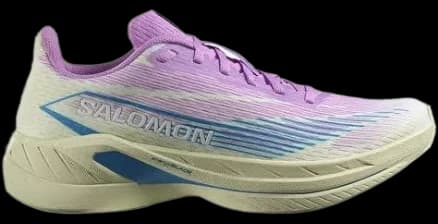
Lifespan: Salomon S/Lab Spectur
~480 km~298 mi
Add the km they've run to start the count.Add the miles they've run to start the count.
See full data on the S/Lab Spectur
Buy, track or sell
No S/Lab Spectur listed right now.
Be first in line — we'll email you the moment a pair in your size lists.
About the shoe
The Salomon S/Lab Spectur is a race-day shoe designed for dedicated amateurs and mid-pack marathoners seeking a stable, comfortable, and efficient ride. Its blend of carbon propulsion, plush yet controlled cushioning, and secure fit makes it approachable for runners who find traditional supershoes too aggressive. While not the lightest or most explosive option, it excels in delivering confidence and comfort over long distances.
Build quality is praised, with durable materials like the Contagrip outsole and robust upper construction. There are few reports of premature wear, and the shoe is considered suitable for both training and racing, suggesting good longevity for a plated shoe. No major durability issues are raised in expert or user reviews.
Full specs, fit notes, and reviews on the Salomon S/Lab Spectur wiki page.
Specs
235 g · 8 mm drop
Norma rating
8.0/10
The Salomon S/Lab Spectur is positioned as a stable, carbon-plated road shoe targeting 'middle-of-the-pack' runners seeking a blend of comfort, stability, and mild propulsion. Experts consistently note its suitability for daily training and tempo runs due to its smooth, stable ride and moderate responsiveness, but highlight that it lacks the aggressive speed and lightweight feel of top-tier racing supershoes. The cushioning and stability make it viable for long runs, especially for heel strikers, but some reviewers find it less ideal for extended marathon efforts compared to lighter, more energetic options. For racing, it is serviceable for non-elite runners but not the fastest choice, with several reviewers preferring more aggressive models for race day. The shoe is not designed for trails, lacking off-road traction and protection. For recovery runs, its comfort and stability are positives, but the carbon plate and firmer ride may not be as gentle as dedicated recovery models. User feedback and expert consensus agree it excels as a versatile, stable trainer for everyday and uptempo road efforts, especially for runners who want a plated shoe without the instability or harshness of elite racing models.
- Exceptionally stable ride thanks to a wide heel platform and carbon-infused EnergyBlade, making it confidence-inspiring for runners who want more support during races or uptempo training
- Comfortable, breathable upper with secure lockdown and minimal irritation, suitable for longer efforts and reducing the risk of hot spots or blisters
- Durable ContaGRIP outsole offers above-average longevity and reliable traction for most road conditions, extending the shoe’s usable life
- Smooth, controlled transitions from heel to toe, providing a natural feel that’s less aggressive than many supershoes and easier to adapt to for non-elite runners
- Narrow fit and fold-prone tongue may cause discomfort for runners with wider feet or those who prefer a roomier toe box
- Foam performance can suffer in colder temperatures, leading to a firmer, less responsive ride in winter conditions
- Grip, while generally good, can be less secure on wet or slick surfaces compared to top-tier race-day competitors
Best for and fit
Daily training
Ideal for Best suited for intermediate to advanced runners aiming for marathon or half marathon PRs in the 3:15–4:30 range, especially those who value stability, comfort, and a less aggressive carbon feel. Ideal for heel strikers and runners who want a race-day shoe that doubles as a fast trainer without sacrificing support or durability.
Designed for everyday runners seeking a race-day shoe with super shoe features but more stability and comfort for longer ground contact times. Upper is lightly padded for comfort, and overall fit is more accommodating than elite-only models. Best for neutral runners or those needing a touch of extra stability without sacrificing speed.
Sizing: True to size; no need to size up or down according to expert and retail guidance.
Against its category
600 km average373 mi average
Daily Trainer shoes in NORMA's database last between 320199 and 800 km497 mi across 653 models. At 480 km298 mi, the Salomon S/Lab Spectur sits in the lower half of that range.
Other versions and similar shoes
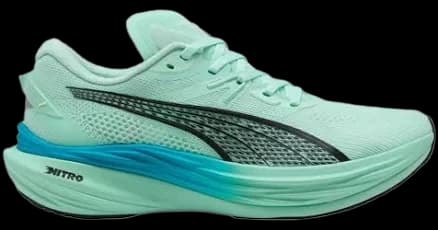
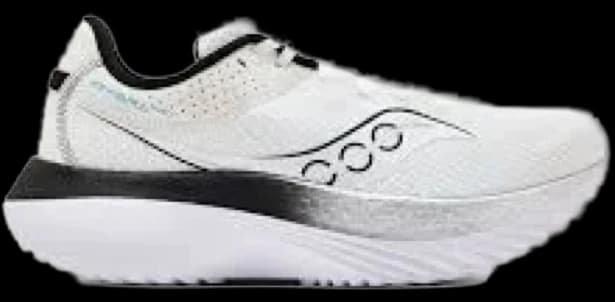
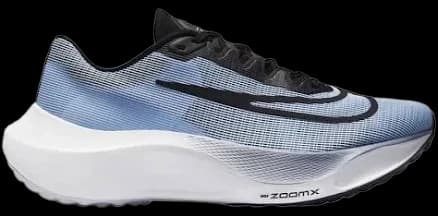
Questions and guides
How many kilometres does the Salomon S/Lab Spectur last?
The Salomon S/Lab Spectur lasts about 480 km (298 miles), based on hand-researched wear data for this model. Your own mileage shifts with body weight, running surface, and how you use the shoe.
How many miles does the Salomon S/Lab Spectur last?
About 298 miles (480 km), based on hand-researched wear data for this model.
When should I replace the Salomon S/Lab Spectur?
Start checking for wear around 288 km (60% of its lifespan). By 384 km the foam and outsole are usually noticeably degraded, and most runners retire the shoe between there and 480 km.
How does the Salomon S/Lab Spectur compare to other daily trainer shoes?
Daily Trainer shoes in NORMA's database range from 320 to 800 km across 653 models. At 480 km, the Salomon S/Lab Spectur sits in the lower half of that range.
Is a used Salomon S/Lab Spectur worth buying?
Often, yes. A pair with under 60% wear (roughly 288 km) still has real training life left. NORMA lists second-rotation running shoes, and sellers can add the miles they logged, so you can see how much life is left.