

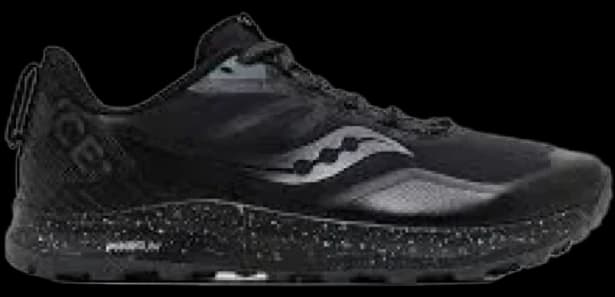
Lifespan: Saucony Peregrine Ice 3
~560 km~348 mi
Add the km they've run to start the count.Add the miles they've run to start the count.
See full data on the Peregrine Ice 3
Buy, track or sell
No Peregrine Ice 3 listed right now.
Be first in line — we'll email you the moment a pair in your size lists.
About the shoe
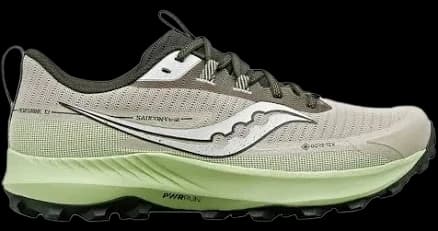
The Saucony Peregrine Ice+ 3 is purpose-built for runners tackling winter trails, offering standout grip on snow and slush with a weather-resistant upper that keeps feet warm and dry. Its secure, agile fit excels on technical terrain, though the firm midsole may not suit those seeking plush cushioning for long distances. This shoe is a reliable choice for winter training where traction and protection matter most.
The shoe's build quality is praised, especially the water-resistant RUNSHIELD upper and robust overlays. However, several reviewers note that the specialized PWRTRAC Ice outsole wears faster on exposed rock or pavement, limiting longevity if used outside intended wintry or frozen conditions.
Full specs, fit notes, and reviews on the Saucony Peregrine Ice 3 wiki page.
Specs
300 g · 4 mm drop
Norma rating
8.5/10
The Saucony Peregrine Ice+ 3 is highly specialized for winter trail running, excelling on hard-packed snow, slush, and icy surfaces due to its PWRTRAC Ice outsole and water-resistant Runshield upper. Expert reviews consistently highlight its secure fit, weather protection, and reliable traction in moderate winter conditions, making it ideal for trail running in cold, slippery environments. The shoe is moderately cushioned and stable, providing enough comfort for daily training and recovery runs, but its firmer, less responsive ride and moderate cushioning limit its suitability for long runs (15+ miles) and racing, where more cushioning or a lighter, more responsive shoe is often preferred. For tempo runs, it offers enough grip and stability for moderate efforts but lacks the energetic ride of dedicated tempo shoes. On technical trails and winter surfaces, it is among the best options available, but on dry pavement or for high-speed racing, its weight and firm feel are less optimal. User feedback and expert consensus agree that while it is versatile for winter daily use, its true strength is as a winter trail specialist.
- Exceptional grip on packed snow and icy trails thanks to the PWRTRAC Ice outsole, providing confidence on winter runs.
- Runshield upper keeps feet warm and dry in slush, snow, and light rain, making it ideal for cold, wet conditions.
- Snug, secure fit with Formfit design and gusseted tongue offers stability and comfort on technical terrain.
- Agile, low-profile build allows for quick foot placement and responsive handling on uneven winter surfaces.
- Midsole cushioning feels firm and may lack comfort for longer runs or those preferring a softer ride.
- Traction is less effective on wet, sheer ice and dry pavement compared to specialized ice spikes or studs.
Best for and fit
Trail
Ideal for Best suited for intermediate to advanced trail runners who train through winter and prioritize traction, weather protection, and agility over plush cushioning. Ideal for those running on packed snow, icy trails, or slushy paths who want a snug, secure fit and reliable performance in cold, wet conditions.
The shoe is designed for winter conditions with a water-resistant upper and tacky outsole for ice. The fit is overall snug, especially in the toebox, and may feel warm or clammy on higher-output runs. Sizing up is recommended for those needing extra room or wearing thick socks. The shoe is lighter and more streamlined than previous versions, with a secure heel and midfoot but a less accommodating toebox.
Sizing: Runs slightly small; consider sizing up half a size, especially if wearing thick socks or for more toe room. Less roomy toe box than previous versions. Generally close to true to size for most, but snug overall.
Against its category
560 km average348 mi average
Trail shoes in NORMA's database last between 180112 and 850 km528 mi across 444 models. At 560 km348 mi, the Saucony Peregrine Ice 3 sits in the upper half of that range.
Other versions and similar shoes
Questions and guides
How many kilometres does the Saucony Peregrine Ice 3 last?
The Saucony Peregrine Ice 3 lasts about 560 km (348 miles), based on hand-researched wear data for this model. Your own mileage shifts with body weight, running surface, and how you use the shoe.
How many miles does the Saucony Peregrine Ice 3 last?
About 348 miles (560 km), based on hand-researched wear data for this model.
When should I replace the Saucony Peregrine Ice 3?
Start checking for wear around 336 km (60% of its lifespan). By 448 km the foam and outsole are usually noticeably degraded, and most runners retire the shoe between there and 560 km.
How does the Saucony Peregrine Ice 3 compare to other trail shoes?
Trail shoes in NORMA's database range from 180 to 850 km across 444 models. At 560 km, the Saucony Peregrine Ice 3 sits in the upper half of that range.
Is a used Saucony Peregrine Ice 3 worth buying?
Often, yes. A pair with under 60% wear (roughly 336 km) still has real training life left. NORMA lists second-rotation running shoes, and sellers can add the miles they logged, so you can see how much life is left.