

Lifespan: Xero Hfs 2
~600 km~373 mi
Add the km they've run to start the count.Add the miles they've run to start the count.
See full data on the HFS 2
Buy, track or sell
No HFS 2 listed right now.
Be first in line — we'll email you the moment a pair in your size lists.
About the shoe
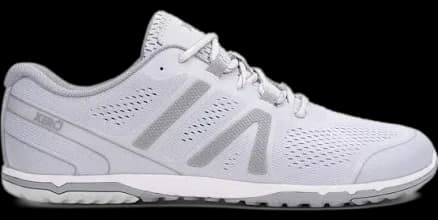
The Xero HFS 2 blends minimalist design with added cushioning, making it a versatile choice for runners transitioning to barefoot-style shoes or seeking a natural stride with more protection. Its flexible sole and wide toe box promote healthy foot mechanics, while the updated outsole offers improved comfort for longer road runs. While not as featherlight or ground-connected as some barefoot models, it strikes a practical balance for everyday training.
The HFS 2 features strengthened toe, quarter, and heel areas, and uses a single-piece FeelTrue rubber sole with reinforced overlays. User and expert reviews note good build quality and longevity for a minimalist shoe, though the shallow tread may wear faster if used off-road.
Full specs, fit notes, and reviews on the Xero Hfs 2 wiki page.
Specs
224 g
Norma rating
7.5/10
The Xero HFS 2 is a minimalist, zero-drop road running shoe with a wide toe box, high flexibility, and moderate cushioning for its category. Experts and users agree it excels for daily training and general running, especially for those seeking a natural, barefoot-like experience with some added protection. The improved EVA outsole offers more forgiveness than the original HFS, making it more suitable for higher mileage and longer runs, but the minimal cushioning and lack of arch/Achilles support mean it is best for runners already adapted to minimalist footwear. For tempo runs, its flexibility and ground feel are appreciated, but the weight and lack of propulsion limit its performance at faster paces. It is not recommended for racing unless the runner is highly adapted to minimal shoes and prefers ground feel over speed or cushioning. The shallow tread and road-focused design make it unsuitable for trail running or technical terrain. For recovery runs, the flexibility and comfort are positives, but the minimal cushioning may not be ideal for all runners post-hard effort.
- Highly flexible sole encourages natural foot movement and strengthens foot muscles over time
- Wide toe box allows toes to splay comfortably, reducing risk of blisters and hot spots on longer runs
- Added EVA in the outsole provides more cushioning and protection than the original HFS, making it suitable for higher mileage and longer road runs
- Breathable mesh upper keeps feet cool and dry, even during intense workouts
- Heavier than expected for a minimalist shoe, which may be noticeable for runners seeking an ultra-light feel
- Reduced ground feel compared to the original HFS, which may disappoint barefoot purists seeking maximum proprioception
Best for and fit
Daily training
Ideal for Best suited for experienced runners interested in minimalist or natural running, those transitioning from traditional shoes to barefoot-style footwear, or anyone seeking a flexible, zero-drop shoe for road mileage and daily training. Ideal for runners with strong feet and lower legs, or those willing to gradually adapt to less support and cushioning.
HFS 2 is more accommodating than the original, with a slightly thicker sole for protection but still high groundfeel and flexibility. Suitable for barefoot shoe users; those new to minimal shoes may need to transition gradually. The shoe is lightweight and breathable, with a familiar barefoot fit and a 5,000-mile sole warranty.
Sizing: Fits true to size for most; sizing updated from original HFS to be more generous. Some may go half a size up for extra width or room, but most take their regular size.
Against its category
600 km average373 mi average
Daily Trainer shoes in NORMA's database last between 320199 and 800 km497 mi across 653 models. At 600 km373 mi, the Xero Hfs 2 sits in the upper half of that range.
Other versions and similar shoes
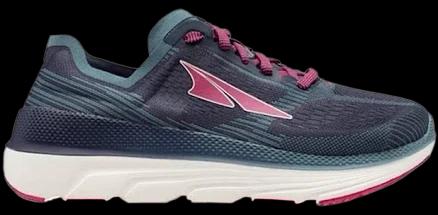
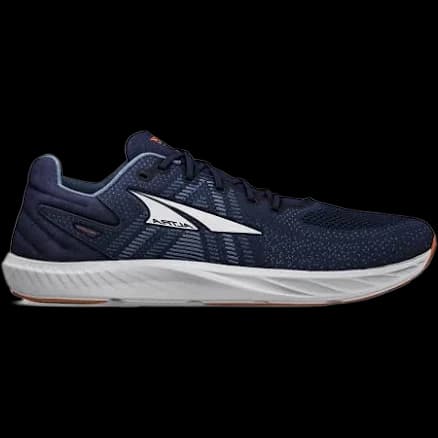
Questions and guides
How many kilometres does the Xero Hfs 2 last?
The Xero Hfs 2 lasts about 600 km (373 miles), estimated from its category and specs. Your own mileage shifts with body weight, running surface, and how you use the shoe.
How many miles does the Xero Hfs 2 last?
About 373 miles (600 km), estimated from its category and specs.
When should I replace the Xero Hfs 2?
Start checking for wear around 360 km (60% of its lifespan). By 480 km the foam and outsole are usually noticeably degraded, and most runners retire the shoe between there and 600 km.
How does the Xero Hfs 2 compare to other daily trainer shoes?
Daily Trainer shoes in NORMA's database range from 320 to 800 km across 653 models. At 600 km, the Xero Hfs 2 sits in the upper half of that range.
Is a used Xero Hfs 2 worth buying?
Often, yes. A pair with under 60% wear (roughly 360 km) still has real training life left. NORMA lists second-rotation running shoes, and sellers can add the miles they logged, so you can see how much life is left.