

Lifespan: Xero HFS II
~600 km~373 mi
Add the km they've run to start the count.Add the miles they've run to start the count.
See full data on the Hfs Ii
Buy, track or sell
No Hfs Ii listed right now.
Be first in line — we'll email you the moment a pair in your size lists.
About the shoe
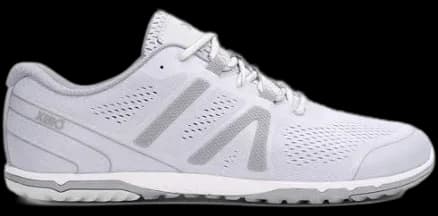
The Xero Shoes HFS II blends minimalist design with added structure, making it a strong choice for runners seeking natural movement without sacrificing all protection. Its wide toe box and flexible sole promote healthy biomechanics, while the slightly thicker sole offers more comfort on longer road runs. Runners transitioning to barefoot-style shoes or looking for a versatile, everyday minimalist trainer will appreciate its balance of ground feel and cushioning.
The HFS II features a single-piece FeelTrue rubber sole with reinforced toe, quarter, and heel areas. Reviews note improved build quality and longevity compared to the original HFS, with few reports of premature wear. The stiffer upper and sole also contribute to a more robust construction, though as a minimalist shoe, it may not match the lifespan of heavily cushioned trainers.
Full specs, fit notes, and reviews on the Xero HFS II wiki page.
Specs
244 g
Norma rating
7.8/10
The Xero Shoes HFS II is a minimalist, zero-drop shoe with a flexible sole and moderate cushioning (2mm EVA midsole), designed primarily for road running and general training. Experts and users agree it excels for daily training, walking, and lifestyle use due to its comfort, flexibility, and natural feel. Its moderate weight (8.6 oz) is heavier than some minimalist shoes but still light enough for most daily runs. The shoe is not recommended for long runs or marathon training for most runners, as the minimal cushioning and lack of arch/Achilles support can lead to fatigue or discomfort over extended distances unless the runner is highly adapted to minimalist footwear. For tempo runs and racing, it offers good ground feel and responsiveness, but lacks the propulsion and protection of performance-oriented racing shoes, making it suitable for those who prefer a barefoot feel but not optimal for competitive times. The outsole has improved grip and can handle light grass or dirt, but the shallow tread and minimal protection make it unsuitable for technical trails or rough terrain. Recovery runs are possible, but the lack of plush cushioning means it may not be the best choice for easy, restorative miles, especially for those seeking softness or support.
- Wide toe box and flexible sole allow natural foot splay and movement, reducing restriction during runs
- Zero-drop platform encourages a more natural gait and strengthens foot muscles over time
- Added structure and slightly thicker sole compared to the original HFS provide improved protection for longer road runs
- Breathable mesh upper keeps feet cool and comfortable, even on warm days
- Heavier than expected for a minimalist shoe, which may be noticeable for runners seeking maximum lightness
- Reduced ground feel compared to the original HFS may disappoint barefoot purists
Best for and fit
Daily training
Ideal for Best suited for experienced runners or those transitioning to minimalist footwear who value natural foot movement, have developed foot and lower leg strength, and prioritize road or light urban running. Ideal for runners seeking to improve form, strengthen intrinsic foot muscles, or use as a daily trainer for shorter to moderate distances.
The HFS II is a minimalist shoe with a barely-there mesh upper and a thin, flexible sole. The BareFoam‚Ñ¢ layer adds slight protection compared to the original HFS, but ground feel remains high. There is no arch support or motion control. The shoe is best for those accustomed to barefoot or minimal footwear and may require an adaptation period for new users. The fit is secure through the midfoot and heel, with ample room in the toebox for toe splay. Not recommended for those needing significant stability or cushioning.
Sizing: Generally true to size for most wearers. The fit is similar to the original HFS, but with a slightly more structured upper. Users with very wide feet may appreciate the wide toe box, but some recommend trying both your usual size and a half size up if between sizes.
Against its category
600 km average373 mi average
Daily Trainer shoes in NORMA's database last between 320199 and 800 km497 mi across 653 models. At 600 km373 mi, the Xero HFS II sits in the upper half of that range.
Other versions and similar shoes
Questions and guides
How many kilometres does the Xero HFS II last?
The Xero HFS II lasts about 600 km (373 miles), estimated from its category and specs. Your own mileage shifts with body weight, running surface, and how you use the shoe.
How many miles does the Xero HFS II last?
About 373 miles (600 km), estimated from its category and specs.
When should I replace the Xero HFS II?
Start checking for wear around 360 km (60% of its lifespan). By 480 km the foam and outsole are usually noticeably degraded, and most runners retire the shoe between there and 600 km.
How does the Xero HFS II compare to other daily trainer shoes?
Daily Trainer shoes in NORMA's database range from 320 to 800 km across 653 models. At 600 km, the Xero HFS II sits in the upper half of that range.
Is a used Xero HFS II worth buying?
Often, yes. A pair with under 60% wear (roughly 360 km) still has real training life left. NORMA lists second-rotation running shoes, and sellers can add the miles they logged, so you can see how much life is left.