

Lifespan: Hoka Arahi 5
~610 km~379 mi
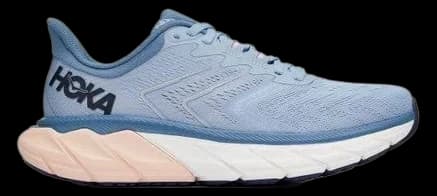
Add the km they've run to start the count.Add the miles they've run to start the count.
See full data on the Arahi 5
Buy, track or sell
No Arahi 5 listed right now.
Be first in line — we'll email you the moment a pair in your size lists.
About the shoe
The Hoka Arahi 5 delivers reliable stability in a surprisingly lightweight package, making it a standout choice for runners who need support but dislike bulky shoes. Its smooth, balanced ride and durable build suit a variety of training needs, from easy miles to faster-paced workouts. Runners who value a firm, stable platform without excess weight will find the Arahi 5 a versatile daily trainer.
Reviewers report solid build quality, with dense rubber coverage on the outsole and durable upper materials. Users and experts expect above-average longevity, with minimal early wear reported even after significant mileage.
Full specs, fit notes, and reviews on the Hoka Arahi 5 wiki page.
Specs
269 g · 5 mm drop
Norma rating
7.5/10
The Hoka Arahi 5 is widely regarded as an excellent choice for daily training and recovery runs due to its plush cushioning, moderate stability, and lightweight build for a stability shoe. Experts and users consistently praise its comfort and support for everyday miles and longer efforts, with the Meta-Rocker geometry providing a smooth, forward-rolling ride that works well for base building and extended road runs. While it can handle long runs (15+ miles) comfortably, some users note that the midsole, while cushioned, is not as plush as Hoka's Gaviota or Bondi, making it slightly less ideal for ultra-long distances but still highly suitable for marathon training. For tempo runs, the Arahi 5 is serviceable but not optimal; its weight and stability features make it less responsive and energetic than dedicated tempo or race shoes, though the rocker helps with transitions if you need to pick up the pace. Racing suitability is limited—most experts and users find it too heavy and not propulsive enough for competitive events, especially compared to lighter, more responsive models. The Arahi 5 is not designed for trail running; its outsole and upper lack the traction and protection needed for off-road or technical terrain. Recovery runs are a standout use case, as the shoe's plushness and stability allow for gentle, easy miles without over-correcting gait or feeling clunky.
- Lightweight for a stability shoe, making it suitable for both daily training and uptempo efforts without feeling bulky
- Smooth and stable ride thanks to the J-Frame support and Meta-Rocker geometry, which help guide the foot naturally and promote efficient transitions
- Durable construction with a well-built upper and dense rubber outsole, leading to good longevity and resistance to premature wear
- Balanced cushioning that provides support without feeling overly soft or mushy, appealing to runners who want stability without sacrificing responsiveness
- Fit can feel snug, especially for runners with wider feet or those preferring a roomier toe box
- Not ideal for runners seeking maximum plushness or those who prefer a very soft underfoot feel, as the ride is on the firmer side for a Hoka
Best for and fit
Daily training
Ideal for Best for runners of any experience level who require mild to moderate stability, especially those who want a lightweight shoe for daily training, long runs, or tempo workouts. Ideal for overpronators seeking support without excess bulk, and for those who appreciate a firmer, responsive ride over maximum softness.
The Arahi 5 is praised for its lightweight feel for a stability shoe, offering a firmer ride than the Clifton but smoother and less bulky than many stability trainers. The combination of the J-Frame and rocker geometry promotes a stable, efficient transition. The shoe is best suited for mild to moderate overpronators seeking stability without excessive weight or bulk. Some users with high-volume feet may prefer the wide version for optimal comfort.
Sizing: Generally true to size for most runners; some with wider feet recommend trying the wide version. Fit is improved over Arahi 4, with a more dialed-in heel and midfoot. No consistent advice to size up or down compared to other Hoka models.
Against its category
600 km average373 mi average
Daily Trainer shoes in NORMA's database last between 320199 and 800 km497 mi across 653 models. At 610 km379 mi, the Hoka Arahi 5 sits in the upper half of that range.
Other versions and similar shoes
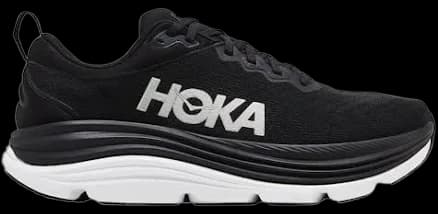
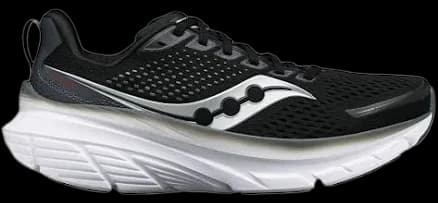
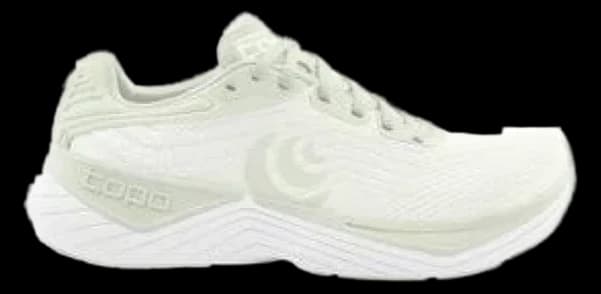
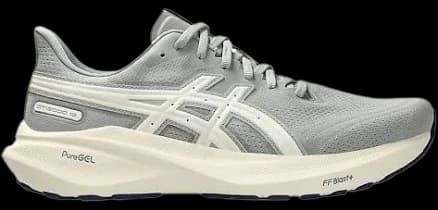
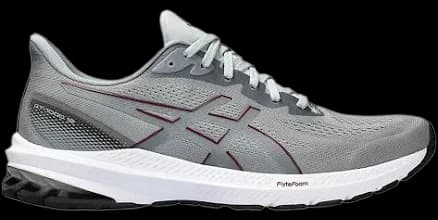
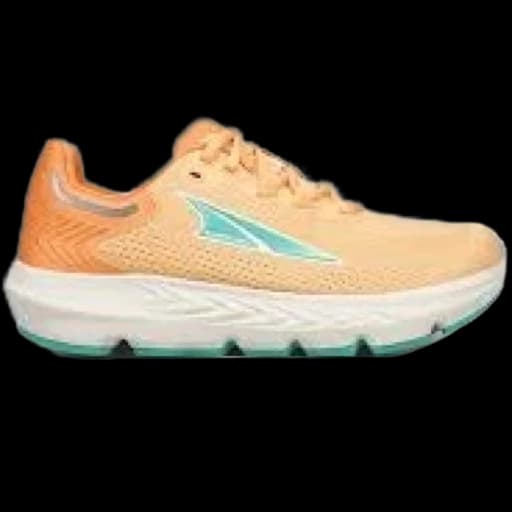
Questions and guides
How many kilometres does the Hoka Arahi 5 last?
The Hoka Arahi 5 lasts about 610 km (379 miles), based on hand-researched wear data for this model. Your own mileage shifts with body weight, running surface, and how you use the shoe.
How many miles does the Hoka Arahi 5 last?
About 379 miles (610 km), based on hand-researched wear data for this model.
When should I replace the Hoka Arahi 5?
Start checking for wear around 366 km (60% of its lifespan). By 488 km the foam and outsole are usually noticeably degraded, and most runners retire the shoe between there and 610 km.
How does the Hoka Arahi 5 compare to other daily trainer shoes?
Daily Trainer shoes in NORMA's database range from 320 to 800 km across 653 models. At 610 km, the Hoka Arahi 5 sits in the upper half of that range.
Is a used Hoka Arahi 5 worth buying?
Often, yes. A pair with under 60% wear (roughly 366 km) still has real training life left. NORMA lists second-rotation running shoes, and sellers can add the miles they logged, so you can see how much life is left.