
Loading shoe lifespan
Loading shoe lifespan
~560 km
Expected lifespan, based on hand-researched wear data for this model.
Got a pair? Check how much life is left.
Free, 4 quick questions with this shoe pre-selected. Wear percentage, km remaining, and what your pair is worth.
Check your Arahi 7 →No Arahi 7 listed right now.
Be first in line — we'll email you the moment a pair in your size lists.
Reviewers report minimal outsole wear after 30-50 miles and note the firmer midsole is less prone to breakdown, suggesting good longevity. Some concern exists about exposed midsole areas picking up debris and potentially reducing lifespan, but overall build quality is considered high for a stability shoe.
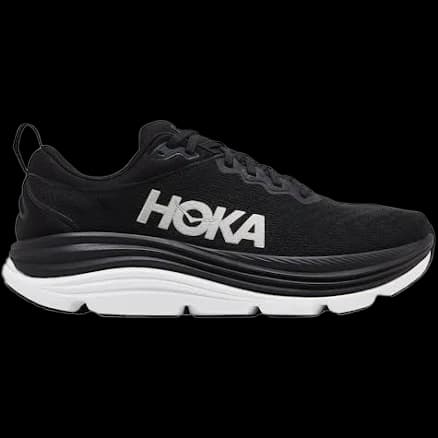
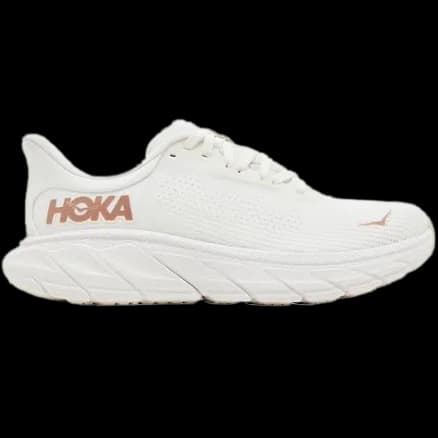
The Hoka Arahi 7 is widely regarded as a moderate stability, maximal-cushion daily trainer, best suited for runners needing reliable medial support and a consistent, centered ride. Its moderate weight (approx. 9.6 oz men’s), firmer and less springy midsole, and snug fit make it ideal for daily training and recovery runs, especially for those with narrow feet or seeking a secure lockdown. The cushioning is ample for most daily efforts and shorter long runs, but the firmer ride and narrow forefoot may limit comfort on extended 15+ mile efforts, especially for wider-footed runners or those preferring plush cushioning. The shoe’s stiffness and lack of energetic rebound make it less suitable for tempo runs or racing, where lighter, more responsive shoes are preferred. While the outsole grip is solid for road and light trail use, exposed midsole areas reduce durability and protection on technical terrain, limiting its trail running suitability. Overall, expert and user consensus positions the Arahi 7 as a top choice for daily and recovery runs for stability-seeking runners, with moderate versatility for other uses.
Ideal for Best suited for intermediate to experienced runners with mild to moderate overpronation who prioritize durability and a secure fit in their daily trainer. Ideal for those who prefer a firmer, responsive ride and do not require a wide toe box, making it a strong option for structured training, recovery runs, and long-distance efforts.
The Arahi 7 is designed for mild to moderate overpronators seeking a stable yet cushioned ride. The upper update enhances comfort and lockdown, especially in the midfoot and heel. The removable insole allows for custom orthotics. The shoe is lightweight for a max-cushion stability trainer. No carbon plate is present, and the shoe does not have reflective elements.
Sizing: Generally true to size; most users and expert reviewers report no need to size up or down compared to standard running shoe sizing. Fit is consistent with previous Arahi models, especially the Arahi 6.
Daily Trainer shoes in NORMA's database last between 320 and 800 km across 694 models. At 560 km, the Hoka Arahi 7 sits in the upper half of that range.
The Hoka Arahi 7 delivers moderate stability in a lightweight, highly durable package, making it a standout for runners needing gentle pronation control without sacrificing responsiveness. Its snug, supportive upper and robust construction suit daily training, though the narrow fit and firmer ride may not appeal to everyone.
Full specs, fit notes, and reviews on the Hoka Arahi 7 wiki page.
NORMA's marketplace is UK-only today. Tell us where you are and we'll let you know the moment we open your region.
The Hoka Arahi 7 lasts about 560 km, based on hand-researched wear data for this model. Your own mileage shifts with body weight, running surface, and how you use the shoe.
Start checking for wear around 336 km (60% of its lifespan). By 448 km the foam and outsole are usually noticeably degraded, and most runners retire the shoe between there and 560 km.
Daily Trainer shoes in NORMA's database range from 320 to 800 km across 694 models. At 560 km, the Hoka Arahi 7 sits in the upper half of that range.
Often, yes. A pair with under 60% wear (roughly 336 km) still has real training life left. NORMA lists second-rotation running shoes with transparent, verified mileage so you know exactly how much life you're buying.