
Loading shoe lifespan
Loading shoe lifespan
~620 km
Expected lifespan, based on hand-researched wear data for this model.

Got a pair? Check how much life is left.
Free, 4 quick questions with this shoe pre-selected. Wear percentage, km remaining, and what your pair is worth.
Check your Arahi 6 →No Arahi 6 listed right now.
Be first in line — we'll email you the moment a pair in your size lists.
Durability is a common concern, with reviewers noting the minimal outsole rubber and reports of wear around 300-350 miles. The upper and midsole hold up well, but the outsole's limited coverage and thickness reduce the shoe's longevity compared to competitors.
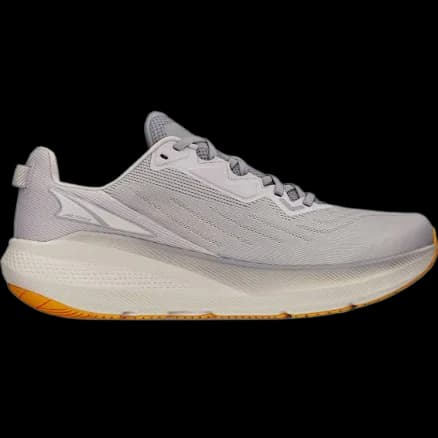
The Hoka Arahi 6 is widely regarded by experts and users as a top choice for daily training and recovery runs due to its moderate stability, plush yet slightly firm cushioning, and lightweight build for a stability shoe. Its J-Frame technology and wide base provide excellent support for overpronators or those needing mild to moderate stability, making it suitable for high-mileage weeks and base building. The cushioning is ample for long runs, though some users note it can feel firmer over extended distances, and outsole durability may be a concern for very high-mileage runners. The shoe's geometry and light weight allow for some uptempo work, but it lacks the responsiveness and 'pop' of dedicated tempo or racing shoes, limiting its suitability for threshold workouts and race day performance. It is not designed for trail use, lacking the traction and protection needed for technical terrain. User feedback highlights comfort, support, and pain reduction for those with knee or stability needs, but also notes potential outsole wear with heavy use.
Ideal for Best suited for beginner to intermediate runners with mild to moderate overpronation, who prioritize comfort and support for daily training or recovery runs. Ideal for those seeking a stable, cushioned ride without the stiffness of traditional stability shoes, and who typically run on roads or well-maintained paths.
The Arahi 6 stands out for combining maximal Hoka cushioning with a lighter, more breathable upper and a secure but comfortable fit. The J-Frame provides stability for overpronators without intrusive posting, and the Meta-Rocker geometry encourages smooth transitions. The shoe is lighter than previous versions and is praised for its comfort on long runs, though the cushioning is slightly firmer than Hoka's neutral models. Available in standard and wide widths.
Sizing: Generally true to size; most reviewers and users report standard Hoka sizing with no need to size up or down compared to other Hoka models. Some with very wide feet may prefer the wide version, which is available.
Daily Trainer shoes in NORMA's database last between 320 and 800 km across 694 models. At 620 km, the Hoka Arahi 6 sits in the upper half of that range.
The Hoka Arahi 6 stands out as a lightweight stability shoe that offers gentle guidance for mild overpronators without sacrificing comfort or ride quality. Its plush cushioning and signature rocker design make it a dependable choice for daily training, though durability and traction may fall short for those seeking a long-lasting or versatile option.
Full specs, fit notes, and reviews on the Hoka Arahi 6 wiki page.
NORMA's marketplace is UK-only today. Tell us where you are and we'll let you know the moment we open your region.
The Hoka Arahi 6 lasts about 620 km, based on hand-researched wear data for this model. Your own mileage shifts with body weight, running surface, and how you use the shoe.
Start checking for wear around 372 km (60% of its lifespan). By 496 km the foam and outsole are usually noticeably degraded, and most runners retire the shoe between there and 620 km.
Daily Trainer shoes in NORMA's database range from 320 to 800 km across 694 models. At 620 km, the Hoka Arahi 6 sits in the upper half of that range.
Often, yes. A pair with under 60% wear (roughly 372 km) still has real training life left. NORMA lists second-rotation running shoes with transparent, verified mileage so you know exactly how much life you're buying.