

Lifespan: Hoka Challenger Low Gtx
~550 km~342 mi
Add the km they've run to start the count.Add the miles they've run to start the count.
See full data on the Challenger Low GTX
Buy, track or sell
No Challenger Low GTX listed right now.
Be first in line — we'll email you the moment a pair in your size lists.
About the shoe
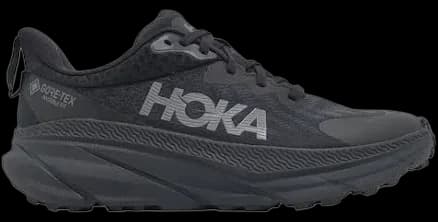
The Hoka Challenger Low GTX is a versatile road-to-trail shoe that excels in wet and variable conditions, offering standout waterproofing and plush comfort for long runs. Its stable, wide platform inspires confidence on mixed terrain, though the stiff ride and narrow toebox may not suit everyone. Ideal for runners seeking a reliable, all-weather hybrid for daily training and adventure runs.
Durability is generally good, with the upper and midsole holding up well over time. However, several reviews note that the outsole lugs tend to wear faster than average, especially on pavement or rocky terrain. The Nubuck leather upper on older versions is tough but can crease, while the newer mesh versions improve longevity.
Full specs, fit notes, and reviews on the Hoka Challenger Low Gtx wiki page.
Specs
413 g · 5 mm drop
Norma rating
8.0/10
The Hoka Challenger Low GTX is widely regarded as a versatile, cushioned shoe best suited for daily training and light to moderate trail running. Expert reviews highlight its excellent comfort, balanced cushioning, and smooth ride on both roads and non-technical trails. The waterproof Gore-Tex upper and substantial protection make it ideal for wet or cold conditions, further supporting its use for everyday runs and recovery efforts. However, the shoe is considered too soft and not aggressive enough for very technical terrain or competitive racing, and its weight and less responsive ride limit its suitability for tempo runs and race-day performance. User feedback consistently praises comfort and durability for long hours on feet, but some note a break-in period and fit issues with the leather upper in earlier versions. The latest iterations (Challenger 7/8) improve fit and comfort, but the outsole remains best for light to moderate trails, not highly technical routes.
- Exceptional waterproofing keeps feet dry in rain, puddles, and wet trails, making it a reliable choice for all-weather running.
- Plush cushioning and a high stack height deliver comfort for long distances on both roads and light trails, reducing fatigue on extended outings.
- Stable ride thanks to a wide midsole platform, providing confidence on uneven terrain and minimizing the risk of ankle rolls.
- Secure lockdown from the gusseted tongue and multi-layered upper, preventing foot slippage even during technical sections.
- Aggressively tapered toebox may feel cramped for runners with wide feet or those who prefer extra toe splay.
- Stiff midsole and upper require a break-in period and can feel rigid, especially in cold conditions or on steep descents.
- Limited reflective elements reduce visibility for night or early morning runs.
Best for and fit
Daily training
Ideal for Best suited for intermediate to experienced runners who tackle a mix of roads and light-to-moderate trails, especially in wet or unpredictable weather. Ideal for those prioritizing comfort, stability, and all-day protection over maximum flexibility or a wide toebox. Great for daily training, long runs, and runners who value a hybrid shoe for varied terrain.
The Challenger Low GTX is designed for versatility across light trails, dirt roads, and pavement, with a casual aesthetic suitable for daily wear. The waterproof upper and gusseted tongue provide excellent protection in wet conditions, but breathability is reduced compared to mesh models. The shoe is heavier than the non-GTX version due to the waterproofing and leather, but comfort and underfoot protection remain high. Users with very wide feet may find the toebox slightly restrictive, especially with thick socks.
Sizing: Generally true to size; most expert and user reviews report standard Hoka sizing with no need to size up or down. Fit is similar to other Hoka Challenger models, but the leather/GTX upper may feel slightly snugger for some users, especially in the toebox if wearing thick socks.
Against its category
560 km average348 mi average
Trail shoes in NORMA's database last between 180112 and 850 km528 mi across 444 models. At 550 km342 mi, the Hoka Challenger Low Gtx sits in the upper half of that range.
Other versions and similar shoes
Questions and guides
How many kilometres does the Hoka Challenger Low Gtx last?
The Hoka Challenger Low Gtx lasts about 550 km (342 miles), based on hand-researched wear data for this model. Your own mileage shifts with body weight, running surface, and how you use the shoe.
How many miles does the Hoka Challenger Low Gtx last?
About 342 miles (550 km), based on hand-researched wear data for this model.
When should I replace the Hoka Challenger Low Gtx?
Start checking for wear around 330 km (60% of its lifespan). By 440 km the foam and outsole are usually noticeably degraded, and most runners retire the shoe between there and 550 km.
How does the Hoka Challenger Low Gtx compare to other trail shoes?
Trail shoes in NORMA's database range from 180 to 850 km across 444 models. At 550 km, the Hoka Challenger Low Gtx sits in the upper half of that range.
Is a used Hoka Challenger Low Gtx worth buying?
Often, yes. A pair with under 60% wear (roughly 330 km) still has real training life left. NORMA lists second-rotation running shoes, and sellers can add the miles they logged, so you can see how much life is left.